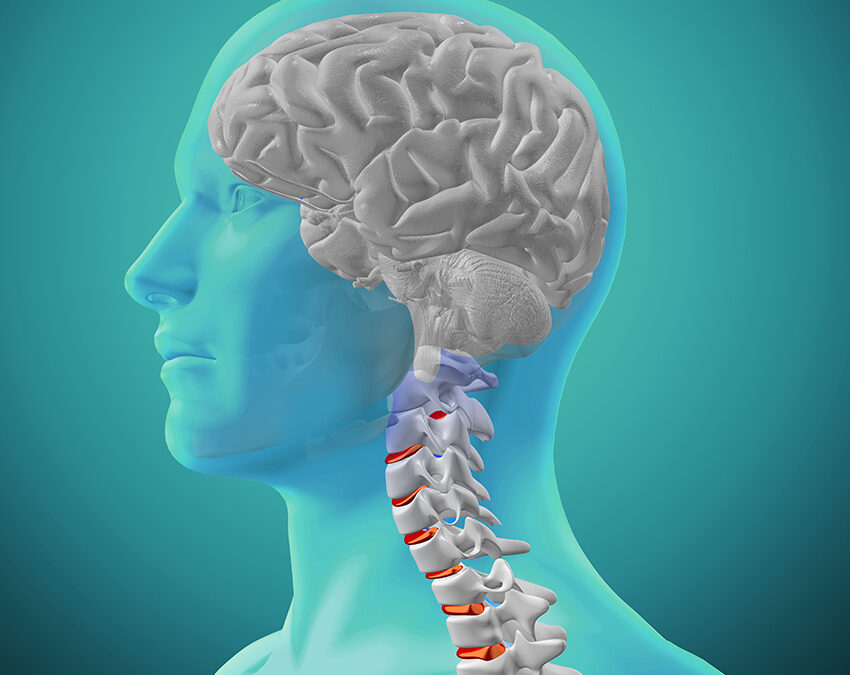
How Chiropractic Care Changes Your Brain: The Surprising Science Behind Spinal Adjustments

How Chiropractic Care Changes Your Brain: The Surprising Science Behind Spinal Adjustments

Did you know that when you are struggling with back and neck pain it could also be having an effect on how your brain is working?

I know that most of you only think of chiropractic care when you have back and neck pain or are struggling with headaches or sciatica.

But what many of you don’t realize is that when I make an adjustment to the spine it has a profound effect on brain function. 

Researchers have discovered something remarkable: chiropractic adjustments don’t just affect your spine—they actually change how your brain functions.

Your Brain’s Command Center

To understand this connection, we need to talk about a specific part of your brain called the prefrontal cortex. Think of it as your brain’s CEO—it’s located right behind your forehead and controls many of your most important mental functions. This area manages your ability to focus, make decisions, coordinate movements, and even know where your arms and legs are in space without looking at them.

The Groundbreaking Research

Dr. Heidi Haavik, a leading researcher from New Zealand who holds a PhD in human neurophysiology, has spent years studying how chiropractic care affects the brain. Her most significant study, published in the prestigious journal Neural Plasticity in 2016, revealed something extraordinary.

Using sophisticated brain imaging technology, Dr. Haavik’s research showed that a single chiropractic adjustment changes brain function by almost 20 percent on average. Even more fascinating, the changes occurred predominantly in the prefrontal cortex—that crucial command center we mentioned earlier.

What makes this research particularly compelling is that the study was conducted in an independent medical professor’s lab, where scientists who had no preconceived ideas about chiropractic collected and analyzed all the data. This eliminates potential bias and strengthens the credibility of the findings.

What This Means for Your Daily Life

So what does a 20% improvement in prefrontal cortex function actually mean for you? Dr. Haavik noted that this effect could explain improvements in sensorimotor function relevant to falls-prevention; better joint-position sense in both the upper limb and the lower limb; improved muscle strength in lower limb muscles; better pelvic floor control; and better ability to carry out mental rotation of objects.

In simpler terms, when your prefrontal cortex works better, you might experience:

  • Better balance and coordination
  • Improved ability to sense where your body is in space
  • Enhanced muscle strength
  • Better focus and decision-making
  • Improved ability to process spatial information

As Dr. Haavik explains, “The prefrontal cortex is the area in the brain where higher learning and cognition happen… That part of the brain is like the conductor” of an orchestra, coordinating all the different systems in your body.

The Spine-Brain Connection

You might wonder how adjusting your spine can affect your brain. The answer lies in understanding that your spine and brain are in constant communication through your nervous system. When spinal joints aren’t moving properly, they send altered signals to your brain. The mechanisms behind pain relief following spinal manipulation are likely due to improved sensorimotor integration and appropriate motor control.

Think of it like having a poor phone connection—when the signals between your spine and brain are clear and accurate, your brain can function optimally. When those signals are distorted due to spinal dysfunction, it affects how your brain processes information and coordinates your body’s functions.

Looking Forward

This research opens up exciting possibilities for understanding how chiropractic care might benefit not just musculoskeletal problems, but cognitive function, balance, and overall neurological health. Dr. Haavik and her colleagues continue to explore these connections, including studies on how chiropractic care might help with conditions like ADHD and other neurological challenges.

So next time you visit me or another chiropractor, remember that you’re not just getting treatment for your back or neck—you’re potentially giving your brain’s command center a boost that could improve how you think, move, and navigate through your daily life.


When Your Neck Talks, Your Shoulders Listen

When Your Neck Talks, Your Shoulders Listen

Ever wake up with a stiff neck and, by the end of the day, find yourself rubbing an aching shoulder? Or notice that your “shoulder pain” seems to move around, sometimes feeling more like upper back tension or even numbness in your arm? If so, you’re experiencing something I see in my practice every single day: the intimate conversation between your neck and shoulders.


The Misunderstood Shoulder Pain

Here’s a little secret many people don’t realise: a significant amount of what we call “shoulder pain” actually starts in the neck. Surprised? Most of my patients are, too.

“But I feel it in my shoulder!” they insist. And they’re absolutely right—they do feel it there. But in many cases, what they’re experiencing is referred pain, which is like getting a phone call from your neck that rings in your shoulder.


The Neck-Shoulder Connection: It’s All About the Nerves

Your neck (cervical spine) houses nerves that control your shoulders, arms, and hands. These nerves exit your spine through small openings between the vertebrae and travel down into your shoulders and arms.

When something irritates these nerves in your neck—maybe a misaligned vertebra, a tight muscle, or a disc issue—the pain often radiates exactly where those nerves go. For nerves exiting from the C5-C6 area of your neck, that destination is frequently your shoulder.

It’s like stepping on a garden hose at one end and seeing water spray out somewhere completely different. The problem isn’t where the water comes out—it’s where the hose is kinked.


Why Does This Mix-Up Matter?

If you’re only treating your shoulder when the real problem is in your neck, you’re basically putting a Band-Aid on the fire alarm instead of putting out the fire. You might get temporary relief from shoulder massages or stretches, but the pain keeps coming back because you haven’t addressed its source.

This explains why so many shoulder issues become chronic despite endless rounds of shoulder-focused physical therapy, anti-inflammatories, or even shoulder surgeries.

How to Tell if Your Shoulder Pain Is Actually a Neck Problem

Let me share a quick test you can do right now to help figure out what’s really going on:

The Neck-Shoulder Connection Test

  1. Sit comfortably in a chair with your back supported
  2. Relax your shoulders completely (don’t shrug them up by your ears!)
  3. Gently tilt your head to the right, bringing your right ear toward your right shoulder without lifting your shoulder to meet it
  4. Hold for 5-10 seconds, noticing any sensations in your left shoulder and arm
  5. Return to centre, then repeat on the left side
  6. Now, look over your right shoulder as far as comfortably possible, again noting any sensations
  7. Return to centre and repeat, looking over your left shoulder

Did you feel any:

  1. Increased shoulder pain on the opposite side when tilting your head?
  2. Tingling or numbness radiating into your shoulder or arm?
  3. Restriction that prevented you from turning fully in one direction?
  4. Relief in your shoulder when moving your neck in a certain way?

Any of these responses suggests your neck and shoulder are having a serious conversation—one that you might want to pay attention to.


The Chain Reaction in Your Upper Body

When your neck isn’t moving properly, it creates a domino effect. Your body, being the adaptive marvel that it is, compensates. Your shoulder muscles might tighten to stabilise and protect your neck. Your shoulder blade position might shift. Even your posture changes as your body tries to find a comfortable position.

Over time, these compensations themselves become problems. That tight trapezius muscle between your neck and shoulder? It’s often working overtime to support a neck that’s not functioning correctly.


Breaking the Neck-Shoulder Pain Cycle

Here’s a gentle exercise that can help interrupt this cycle:

The Neck Decompression Reset

  1. Sit or stand tall with your shoulders relaxed
  2. Place your right hand on the left side of your head, above your ear
  3. Gently lean your head into your hand (applying very light pressure)
  4. With your other hand, reach down and gently pull your left shoulder downward
  5. Hold for 10-15 seconds while taking slow, deep breaths
  6. Repeat on the opposite side

This creates a gentle space between your head and shoulder, which can temporarily decompress the nerves that may be causing your shoulder discomfort.

Important: This should feel like a gentle stretch—never painful or uncomfortable. If it causes pain, stop immediately.


The Bottom Line

If you’ve been battling persistent shoulder pain that just won’t quit despite your best efforts, it might be time to look a little higher. Your neck might be the chatty culprit sending mixed signals to your shoulders.

In my practice, addressing the cervical spine often resolves shoulder issues that have plagued patients for years. It’s not magical—it’s just anatomy. When we restore proper alignment and movement to the neck, we’re essentially fixing the communication system between your brain and your shoulders.

So next time your shoulder starts complaining, remember to check in with your neck. It might be the conversation starter you didn’t know to listen for.


I specializes in identifying and treating the true sources of pain using gentle, patient-centred techniques. For a comprehensive evaluation of your neck and shoulder concerns, book an appointment

The Impact of Forward Head Posture on Depression, Mood, and the Brain

The Impact of Forward Head Posture on Depression, Mood, and the Brain

Forward head posture (FHP) is a common postural misalignment that has become increasingly prevalent with modern lifestyle habits, such as extended sitting at desks or frequent use of smartphones. This condition, characterised by the head being positioned in front of the shoulders rather than aligned directly over them, can have profound effects on both physical and mental health. While the consequences of FHP on musculoskeletal function are well-known, its impact on mood, depression, and emotional well-being, especially in relation to brain function and dysafferentation, deserves further exploration.


What is Forward Head Posture (FHP)?

Forward head posture occurs when the head is positioned forward of the body’s natural alignment, causing the neck and upper back to become misaligned. The condition is often associated with slouching, poor ergonomics, or prolonged periods of looking down at screens or devices. This misalignment leads to a number of issues, including muscle strain in the neck and shoulders, restricted breathing, and compromised spinal health. However, its impact extends beyond physical discomfort—FHP can also disrupt the functioning of the brain and influence emotional states, including depression and mood disorders.


The Link Between Forward Head Posture and Depression

Posture and emotions are intricately connected. Studies have shown that body language, including posture, can influence how we feel and how we respond to stressors. When it comes to forward head posture, the effects are particularly significant because of the way it impacts brain function and the nervous system.

FHP can directly influence mood and emotional regulation in several ways:

Increased Cortisol Levels and Stress Response: One of the most immediate effects of forward head posture is the activation of the body’s stress response. When the head is out of alignment, the body is in a constant state of tension, which triggers the release of cortisol, the stress hormone. Elevated cortisol levels can contribute to feelings of anxiety, irritability, and, over time, depression. Chronic stress can lead to changes in the brain that make it more difficult to regulate emotions and manage mood effectively.

Decreased O2 Supply to the Brain: FHP can restrict the airway and compress the muscles of the neck, limiting oxygen flow to the brain. Reduced oxygen supply to the brain can result in feelings of fatigue, mental fog, and cognitive difficulties. The brain’s inability to function at its best can lead to a decreased ability to cope with stress, further exacerbating symptoms of depression.

Neurological Impact and Mood Regulation: The misalignment of the spine caused by FHP not only affects muscle tension but also disrupts the nervous system’s ability to communicate effectively with the brain. When posture is compromised, the sensory information (afferent signals) sent to the brain becomes distorted or incomplete. This phenomenon, known as dysafferentation, occurs when the brain receives incorrect or insufficient data about the body’s position and movement. Dysafferentation affects the brain’s ability to process emotional and sensory information, leading to heightened sensitivity to negative emotions and difficulty regulating mood.


How Misalignment Affects the Brain

Dysafferentation occurs when the body’s sensory systems do not transmit clear, accurate, or complete information to the brain. In the case of forward head posture, misalignment of the cervical spine (the neck) can result in compromised nerve function, leading to a disruption in afferent signals. These signals are essential for the brain to understand the body’s position in space and its emotional state.

The effects of dys-afferentation on the brain can be seen in several key areas that influence mood and emotional regulation:

The Limbic System: The limbic system is responsible for regulating emotions, memory, and behavioural responses to emotional stimuli. When there is dysafferentation due to FHP, the brain’s ability to process emotional information becomes impaired. This may lead to difficulty managing emotions, increased stress levels, and a heightened vulnerability to anxiety and depression.

The Prefrontal Cortex: The prefrontal cortex is involved in higher cognitive functions such as decision-making, social interactions, and emotional regulation. Dysafferentation caused by FHP can interfere with communication between the body and brain, affecting the prefrontal cortex’s ability to regulate mood and behaviour. This disruption can result in emotional instability, impulsivity, and difficulties in controlling feelings of sadness or irritability.

The Brainstem: The brainstem plays a crucial role in controlling basic functions, including breathing, heart rate, and the regulation of the autonomic nervous system. Forward head posture can place pressure on the brainstem and the spinal cord, leading to disruption in the body’s autonomic functions. The misalignment can contribute to feelings of anxiety, stress, and physical symptoms of depression, such as headaches, muscle tension, and difficulty sleeping.

The Cortisol Response: Chronic tension in the neck and upper back caused by FHP can lead to the activation of the body’s fight-or-flight response, which is mediated by the hypothalamic-pituitary-adrenal (HPA) axis. The prolonged release of cortisol caused by FHP can negatively affect the brain’s emotional regulation centres, particularly the hippocampus and prefrontal cortex, leading to an increased risk of depression and impaired cognitive function.


Forward Head Posture and the Body-Mind Connection

The mind and body are deeply interconnected, and poor posture can have a cascading effect on both physical and emotional health. FHP can lead to muscle imbalances, joint stiffness, and decreased range of motion, all of which contribute to physical discomfort. This discomfort can create a negative feedback loop, where physical pain leads to emotional distress, and emotional stress exacerbates the physical strain.

When posture is compromised, it can also affect the way we perceive and interact with the world. For instance, a person with FHP may feel less confident, which can lead to social withdrawal and a negative self-image—both of which are associated with depression. Additionally, the chronic discomfort and pain caused by FHP can create a sense of helplessness, leading to feelings of sadness and anxiety.


The Role of Chiropractic Care in Correcting Forward Head Posture and Supporting Mood

Chiropractic care offers a holistic approach to addressing the effects of forward head posture on both the body and mind. Through spinal adjustments, chiropractors can help restore proper alignment in the cervical spine, reducing the physical strain associated with FHP. Correcting misalignments can also reduce dysafferentation, promoting better communication between the body and brain.

Benefits of chiropractic care for individuals with FHP include:

Improved Posture: Chiropractic adjustments help realign the spine, reducing the tension that contributes to forward head posture. This can alleviate muscle strain and improve overall posture, leading to better physical and emotional well-being.

Enhanced Nervous System Function: By reducing misalignments, chiropractic care ensures that the nervous system is functioning optimally. This can improve the brain’s ability to regulate emotions, reduce stress levels, and improve mood.

Reduction in Cortisol Levels: Chiropractic adjustments help decrease the physical stress on the body, which in turn can lower cortisol levels and reduce the negative effects of chronic stress on the brain.

Alleviation of Pain and Discomfort: Chiropractic care helps relieve pain associated with FHP, such as neck and shoulder tension, headaches, and stiffness. Reducing pain improves overall quality of life and reduces the emotional toll of living with chronic discomfort.

Conclusion

Forward head posture has far-reaching consequences, not only for the musculoskeletal system but also for emotional and mental health. The connection between FHP, dysafferentation, and mood disorders such as depression is clear—misalignment disrupts the flow of sensory information to the brain, impairing its ability to process emotions and regulate mood. By addressing FHP through chiropractic care, individuals can experience relief from both physical discomfort and emotional distress, leading to improved well-being. Proper posture is not just about appearance—it’s a critical factor in supporting both brain health and emotional balance.

Posture and the Brain: A Chiropractic Perspective

Posture and the Brain: A Chiropractic Perspective

Our posture is much more than just the way we sit or stand—it plays a significant role in our overall health and well-being, particularly when it comes to brain function. While posture may seem like a superficial concern, a chiropractor’s perspective highlights the deep connection between spinal alignment, neural health, and brain performance.


The Spine and Nervous System: A Vital Connection

At the heart of chiropractic care is the understanding that the spine and nervous system are intimately connected. The spine, made up of vertebrae, protects the spinal cord, a crucial structure that transmits information between the brain and the rest of the body. Misalignments, or “subluxations,” in the spine can interfere with the normal flow of nerve signals, leading to dysfunction throughout the body, including the brain.

When we maintain poor posture, we place undue stress on the spine, which can lead to these misalignments. For example, sitting with a slouched posture or constantly looking down at a screen causes the upper back and neck to bend in unnatural ways, creating tension that impacts the spine’s alignment. This stress can disrupt the communication between the brain and body, affecting everything from motor function to cognitive abilities.


How Posture Affects Brain Function

Posture has a direct effect on how well the brain functions. The brain relies on precise and efficient signals from the body, and when posture is compromised, the nervous system can become less effective. Here are a few ways that posture and brain health are intertwined: 

  1. Cognitive Performance:
    A slouched posture can restrict blood flow to the brain, leading to decreased oxygen and nutrient supply. This can result in feelings of brain fog, fatigue, and difficulty concentrating. Proper posture, on the other hand, promotes optimal blood circulation, helping the brain stay alert and focused.
  2. Mood and Stress Response:
    The way we hold ourselves physically also affects how we feel emotionally. Studies have shown that upright postures are linked to increased feelings of power and positivity, while slouched postures can lead to feelings of depression or anxiety. Poor posture activates the body’s stress response, triggering the release of cortisol (the stress hormone), which can negatively affect brain function over time. Conversely, maintaining an open and upright posture can help regulate stress levels and improve mood.
  3. Neuroplasticity and Posture:
    The brain is constantly changing and adapting through a process called neuroplasticity. The way we hold our bodies can influence how our brain rewires itself. For instance, a misaligned spine due to poor posture can interfere with the brain’s ability to adapt to new experiences, while proper alignment encourages better neural communication and enhances the brain’s ability to process and respond to stimuli.
  4. Memory and Learning:
    The cervical spine (the neck region) is particularly important for cognitive function. If posture causes misalignments in the neck, it can disrupt the communication between the brain and body, which affects memory, learning, and other cognitive functions. Adjustments that help restore the natural curve of the neck can improve brain function by supporting proper nerve transmission.

Chiropractic Care and Posture

Chiropractors are experts in spinal health and posture. By using spinal adjustments, chiropractors can correct misalignments in the spine, reduce nerve interference, and help restore proper posture. When the spine is aligned correctly, nerve signals are able to flow freely from the brain to the rest of the body, promoting better brain function and overall health.

Regular chiropractic adjustments can help:

Improve Posture: Chiropractors work to restore the natural curves of the spine, which encourages better alignment and reduces the strain that poor posture can put on the body and nervous system.

Enhance Brain Function: By reducing nerve interference, chiropractic care can enhance communication between the brain and body, leading to improved cognitive abilities, focus, and memory.

Promote Balance and Coordination: Proper spinal alignment contributes to better balance and coordination, which can reduce the risk of falls and injuries and improve brain-body connection.


Simple Posture Tips for Better Brain Health

In addition to seeking chiropractic care, there are simple strategies you can implement in your daily life to improve posture and support brain function:

  1. Sit with your back straight: Keep your shoulders back and avoid slouching. If sitting for long periods, use a chair with proper lumbar support.
  2. Take breaks: Stand up, stretch, and walk around every 30 minutes, especially if you are working at a desk or using a computer.
  3. Practice mindful posture: Pay attention to your body alignment throughout the day. Whether standing or walking, aim to keep your head aligned with your spine.
  4. Exercise regularly: Strengthening the muscles that support your spine, such as the core and back muscles, can help maintain good posture and reduce strain on the body.

Conclusion

Posture isn’t just about appearance—it directly influences brain health, cognitive function, and overall well-being. From a chiropractic standpoint, maintaining proper spinal alignment is essential for optimal nervous system function, which in turn supports brain health. By making small adjustments to posture and incorporating chiropractic care, individuals can experience improvements in mood, cognitive performance, and overall health. Remember, a healthy spine is a healthy brain, and good posture is a key component in achieving both.

The Moving Spine: How Spinal Motion Feeds the Brain

The Moving Spine: How Spinal Motion Feeds the Brain

In the intricate symphony of human physiology, few relationships are as profound yet overlooked as the connection between spinal movement and brain function. While most people understand that the spine protects the spinal cord, fewer realize that the spine’s ability to move freely is actually essential for optimal brain health and nervous system function.

This revolutionary understanding gained scientific credibility through the groundbreaking work of Nobel Prize winner Roger Sperry, whose research fundamentally changed how we view the relationship between movement and brain function. Sperry’s investigations revealed that movement, particularly spinal movement, doesn’t just happen because the brain commands it—movement actually stimulates and nourishes the brain itself.


The Brain’s Hidden Hunger for Movement

Sperry’s research demonstrated that the spine is far more than a passive structural support system. He discovered that proper spinal movement is critical to brain health, establishing that “better than 90% of the stimulation and nutrition to the brain is generated by the movement of the spine.” This finding was revolutionary because it suggested that a sedentary spine could literally starve the brain of essential stimulation.

The mechanism behind this phenomenon lies in the complex network of mechanoreceptors—specialized sensory neurons embedded throughout the spinal joints, muscles, and ligaments. These microscopic sensors act like biological motion detectors, constantly monitoring spinal position and movement. When the spine moves through its natural ranges of motion, these receptors fire rapidly, sending streams of sensory information up the spinal cord to the brain.

This constant flow of movement-generated signals serves multiple crucial functions. First, it provides the brain with essential proprioceptive information—the awareness of body position and movement in space. Without this input, the brain loses its spatial reference system, leading to poor coordination, balance problems, and increased risk of injury.


The Neurological Cascade of Spinal Motion

When spinal joints move freely through their full range of motion, they create what neuroscientists call “facilitated segments”—areas of heightened nerve activity that enhance overall nervous system function. This increased neural activity doesn’t just affect local spinal nerves; it creates a cascade effect that influences brain regions responsible for everything from cognitive function to emotional regulation.

Research has shown that restricted spinal movement leads to decreased mechanoreceptor firing, which in turn reduces the sensory input reaching the brain. This sensory deprivation can result in what researchers term “cortical map distortion”—changes in how the brain represents and controls different body parts. Over time, these changes can manifest as decreased coordination, altered pain perception, and even cognitive dysfunction.

The cerebellum, often called the brain’s “movement center,” is particularly dependent on spinal motion input. This region, which coordinates movement and maintains balance, requires constant feedback from spinal mechanoreceptors to function optimally. When spinal mobility is compromised, cerebellar function suffers, leading to the characteristic unsteadiness and movement difficulties seen in people with chronic spinal restrictions.


Modern Life’s Impact on Spinal Motion

In our increasingly sedentary society, the implications of Sperry’s findings are particularly relevant. Hours spent hunched over computers, looking down at phones, and sitting in cars create patterns of spinal restriction that would have been foreign to our ancestors. These modern postures not only limit spinal range of motion but also create specific patterns of movement dysfunction that can persist even when we’re not in these positions.

The thoracic (mid-back region) part of the spine, in particular, suffers in our forward-head, rounded-shoulder culture. This region, which should demonstrate significant rotational (twisting), and lateral (sideways) bending mobility, often becomes rigid and hypomobile (decreased mobility). The resulting decrease in mechanoreceptor stimulation from this area can affect everything from breathing patterns to cognitive clarity.

Similarly, the cervical spine’s (or neck) natural lordotic, or C-shaped, curve and rotational capacity are often compromised by prolonged forward head postures. Given the high concentration of mechanoreceptors in the upper cervical region and their direct connections to brain stem centers controlling vital functions, restrictions in this area can have far-reaching neurological consequences.


Restoring the Brain-Spine Connection

Understanding the critical relationship between spinal motion and brain health opens new avenues for enhancing neurological function. Regular spinal adjustments by a chiropractor, together with specific exercises that promote full-range spinal movement becomes not just a matter of physical comfort but of neurological necessity.

Simple movements like spinal rotations, side bends, and extension exercises can help restore mechanoreceptor activity and re-establish proper brain-spine communication. More complex activities like yoga, tai chi, and dance provide multi-planar spinal movements that create rich sensory experiences for the nervous system.

The key insight from Sperry’s work is that the brain doesn’t just control movement—it depends on movement for its own optimal function. Every time we move our spine through its natural ranges of motion, we’re literally feeding our brain the sensory nutrition it needs to maintain its complex neural networks.

As we continue to understand the profound connections between spinal mobility and neurological health, it becomes clear that maintaining spinal range of motion isn’t just about preventing back pain—it’s about preserving and enhancing the very foundation of nervous system function. In a world that increasingly restricts our natural movement patterns, consciously cultivating spinal mobility becomes an act of neurological self-care, honouring the ancient relationship between a moving spine and a thriving brain.