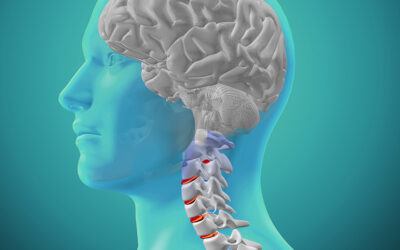
Our posture is much more than just the way we sit or stand—it plays a significant role in our overall health and well-being, particularly when it comes to brain function. While posture may seem like a superficial concern, a chiropractor’s perspective highlights the deep connection between spinal alignment, neural health, and brain performance.
The Spine and Nervous System: A Vital Connection
At the heart of chiropractic care is the understanding that the spine and nervous system are intimately connected. The spine, made up of vertebrae, protects the spinal cord, a crucial structure that transmits information between the brain and the rest of the body. Misalignments, or “subluxations,” in the spine can interfere with the normal flow of nerve signals, leading to dysfunction throughout the body, including the brain.
When we maintain poor posture, we place undue stress on the spine, which can lead to these misalignments. For example, sitting with a slouched posture or constantly looking down at a screen causes the upper back and neck to bend in unnatural ways, creating tension that impacts the spine’s alignment. This stress can disrupt the communication between the brain and body, affecting everything from motor function to cognitive abilities.
How Posture Affects Brain Function
Posture has a direct effect on how well the brain functions. The brain relies on precise and efficient signals from the body, and when posture is compromised, the nervous system can become less effective. Here are a few ways that posture and brain health are intertwined:
- Cognitive Performance:
A slouched posture can restrict blood flow to the brain, leading to decreased oxygen and nutrient supply. This can result in feelings of brain fog, fatigue, and difficulty concentrating. Proper posture, on the other hand, promotes optimal blood circulation, helping the brain stay alert and focused. - Mood and Stress Response:
The way we hold ourselves physically also affects how we feel emotionally. Studies have shown that upright postures are linked to increased feelings of power and positivity, while slouched postures can lead to feelings of depression or anxiety. Poor posture activates the body’s stress response, triggering the release of cortisol (the stress hormone), which can negatively affect brain function over time. Conversely, maintaining an open and upright posture can help regulate stress levels and improve mood. - Neuroplasticity and Posture:
The brain is constantly changing and adapting through a process called neuroplasticity. The way we hold our bodies can influence how our brain rewires itself. For instance, a misaligned spine due to poor posture can interfere with the brain’s ability to adapt to new experiences, while proper alignment encourages better neural communication and enhances the brain’s ability to process and respond to stimuli. - Memory and Learning:
The cervical spine (the neck region) is particularly important for cognitive function. If posture causes misalignments in the neck, it can disrupt the communication between the brain and body, which affects memory, learning, and other cognitive functions. Adjustments that help restore the natural curve of the neck can improve brain function by supporting proper nerve transmission.
Chiropractic Care and Posture
Chiropractors are experts in spinal health and posture. By using spinal adjustments, chiropractors can correct misalignments in the spine, reduce nerve interference, and help restore proper posture. When the spine is aligned correctly, nerve signals are able to flow freely from the brain to the rest of the body, promoting better brain function and overall health.
Regular chiropractic adjustments can help:
Improve Posture: Chiropractors work to restore the natural curves of the spine, which encourages better alignment and reduces the strain that poor posture can put on the body and nervous system.
Enhance Brain Function: By reducing nerve interference, chiropractic care can enhance communication between the brain and body, leading to improved cognitive abilities, focus, and memory.
Promote Balance and Coordination: Proper spinal alignment contributes to better balance and coordination, which can reduce the risk of falls and injuries and improve brain-body connection.
Simple Posture Tips for Better Brain Health
In addition to seeking chiropractic care, there are simple strategies you can implement in your daily life to improve posture and support brain function:
- Sit with your back straight: Keep your shoulders back and avoid slouching. If sitting for long periods, use a chair with proper lumbar support.
- Take breaks: Stand up, stretch, and walk around every 30 minutes, especially if you are working at a desk or using a computer.
- Practice mindful posture: Pay attention to your body alignment throughout the day. Whether standing or walking, aim to keep your head aligned with your spine.
- Exercise regularly: Strengthening the muscles that support your spine, such as the core and back muscles, can help maintain good posture and reduce strain on the body.
Conclusion
Posture isn’t just about appearance—it directly influences brain health, cognitive function, and overall well-being. From a chiropractic standpoint, maintaining proper spinal alignment is essential for optimal nervous system function, which in turn supports brain health. By making small adjustments to posture and incorporating chiropractic care, individuals can experience improvements in mood, cognitive performance, and overall health. Remember, a healthy spine is a healthy brain, and good posture is a key component in achieving both.